









Moving Scams 2026: What Every Customer Needs to Know Before Hiring a Mover
Moving should be an exciting transition—not a stressful or costly mistake. Unfortunately, moving scams have become more sophisticated in 2026, with bad actors using polished websites, fake reviews, and misleading pricing tactics to take advantage of unsuspecting customers. Understanding how these scams work is the best way to protect your time, money, and belongings.
The Biggest Moving Scam in 2026: “Online Moving Marketplaces”
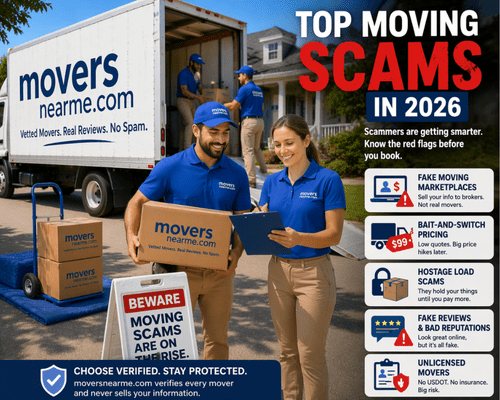
One of the fastest-growing scams today is the rise of so-called “moving marketplaces.” These websites appear to offer instant quotes from multiple movers, making it seem like you are comparing real companies.
In reality, many of these platforms are not movers at all—they are lead generation brokers.
How the Scam Works
You enter your personal information, including inventory, addresses, and contact details. Instead of connecting you with vetted moving companies, the platform sells your information to multiple brokers and moving companies—often without your knowledge.
This can lead to:
- Dozens of unwanted calls, texts, and emails
- Inaccurate or intentionally low estimates
- Being assigned to unverified or uninsured movers
- Significant price increases on moving day
Many customers don’t realize they’ve hired a broker until it’s too late.
There are other moving company scams that also pose as a local moving company or marketplace but actually have a brokerage.
Why This Is a Problem
Brokers do not perform the move. They act as middlemen and may have little to no control over the actual carrier handling your belongings. This creates a disconnect in accountability and often results in poor service or unexpected costs.
A Better Approach
Use platforms that prioritize transparency and verification.
For example, moversnearme.com verifies mover credentials and does not sell your personal information. This ensures you are connecting with legitimate, accountable moving companies—not entering a lead-selling funnel. Learn why moving quotes can be so different.
Common Moving Scams to Watch Out For
Bait-and-Switch Estimates
Some companies provide a very low initial quote to win your business, only to dramatically increase the price once your items are loaded onto the truck.
This is one of the most common complaints filed with regulators.
Helpful resource:
https://www.fmcsa.dot.gov/protect-your-move
Hostage Load Scam
In this scenario, movers load your belongings and then refuse to deliver them unless you pay significantly more than the original estimate.
This tactic is illegal but still occurs, especially with unlicensed or broker-arranged moves.
Learn more:
https://www.fmcsa.dot.gov/regulations/protect-your-move/your-rights-and-responsibilities
Fake Reviews and Online Reputation Manipulation
Scam companies often flood platforms with fake five-star reviews while suppressing negative feedback. Some even create multiple business names to avoid bad reputations.
To verify a mover’s legitimacy, check:
- USDOT registration
- Complaint history
- Insurance status
Verification tool:
https://safer.fmcsa.dot.gov/CompanySnapshot.aspx
Unlicensed Movers
Some companies operate without proper licensing or insurance, especially for long-distance moves.
If a company does not have a valid USDOT number for interstate moves, that is a major red flag.
You can verify licensing here:
https://www.fmcsa.dot.gov/registration
Large Deposits Required Upfront
Reputable moving companies typically do not require large upfront deposits. Scam operators often demand significant payments before the move and then disappear or provide subpar service.
How to Protect Yourself When Hiring a Mover
Verify Licensing and Insurance
Always confirm the mover is registered with the Federal Motor Carrier Safety Administration (FMCSA) and has active insurance.
Get a Written Estimate
A legitimate mover will provide a clear written estimate. Be cautious of vague pricing or quotes given without understanding your inventory.
Understand the Type of Estimate
Know whether your estimate is:
- Binding
- Non-binding
- Binding not-to-exceed
Each affects your final cost differently.
Avoid Brokers Unless Fully Disclosed
If you choose to work with a broker, make sure they clearly disclose their role and provide full details about the actual carrier performing the move.
Research the Company Thoroughly
Look beyond reviews. Check:
- Business address
- Years in operation
- Complaint history
- Presence across multiple trusted platforms
Why Verified Platforms Matter
Not all moving websites are created equal. Many prioritize lead generation over customer protection.
Moversnearme.com is designed differently:
- Movers are vetted and verified before being listed
- Customer information is never sold
- Users are connected directly with real moving companies
- Transparency is prioritized over volume
This eliminates the confusion and risk associated with broker-driven marketplaces. Learn more about average moving costs.
Why MoversNearMe.com Is Important
Moving scams are evolving, but the core tactics remain the same—misdirection, lack of transparency, and pressure tactics. The more informed you are, the harder it becomes for scammers to take advantage.
Stick with verified movers, avoid platforms that sell your information, and always take the time to research before booking. A little diligence upfront can save you from major headaches later. MoversNearMe.com is not a broker - we have company owned locations with full time movers and we also support other moving companies that are actually verified, insured, licensed and we support. Our promise to you - If we know another mover that is best for your job, we will let you know. Movers Near Me is not the best choice for some moves but we will always be honest and tell you who is!